Blog
Skin Care Routine with Freckle Serum for Best Results – 2026 Guide

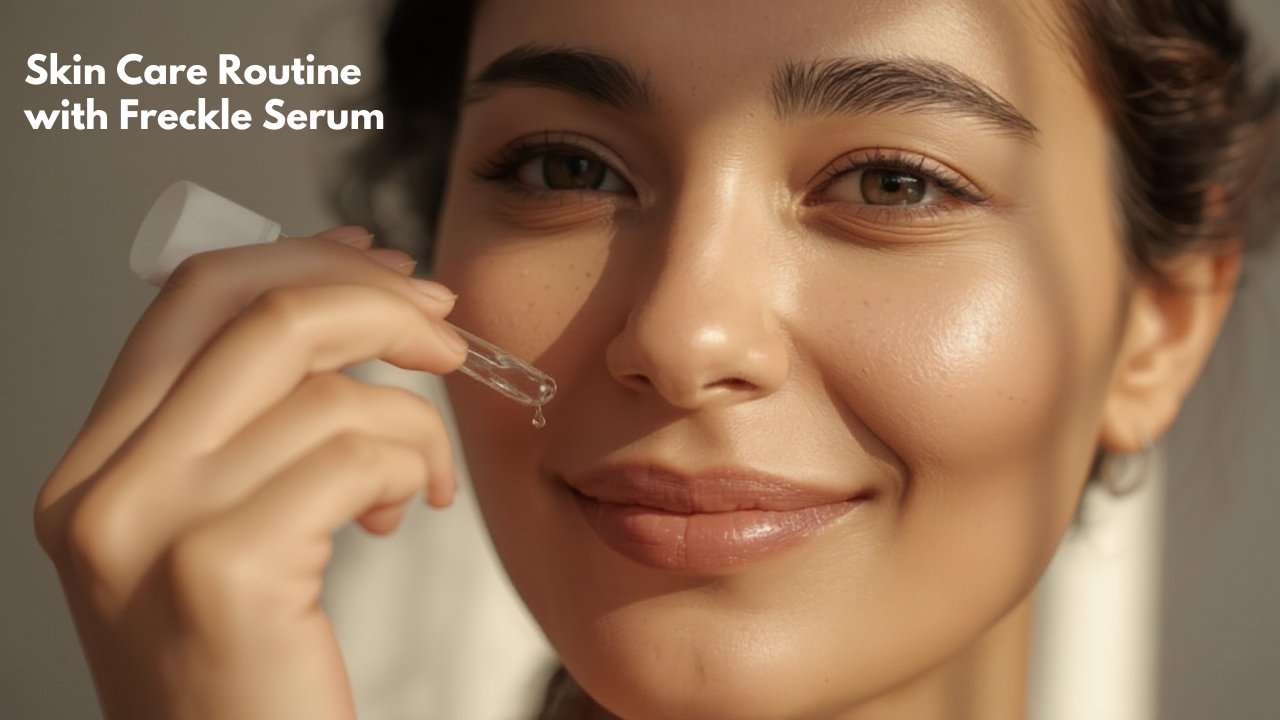
Freckles are small brown or tan spots that can appear on the face, cheeks, nose, and arms. While they are harmless, many people seek ways to reduce freckles and achieve an even skin tone. Using a freckle serum as part of a consistent skincare routine is one of the most effective ways to get visible results safely, especially for Pakistani skin tones, which can be prone to hyperpigmentation and sensitivity.
This comprehensive guide will cover:
- The importance of freckle serums in skincare
- Step-by-step skincare routine for best results
- Recommended freckle serums like HYMEYS Freckle Serum
- Ingredients and their benefits
- Lifestyle and prevention tips
Why Include a Freckle Serum in Your Skincare Routine?
Freckle serums are designed to reduce pigmentation, lighten dark spots, and even out skin tone. They work best when included in a structured routine because:
- They target melanin overproduction effectively
- Improve absorption of active ingredients
- Prevent freckles from worsening
- Boost overall skin radiance
Choosing the right serum is crucial. HYMEYS Freckle Serum, for instance, contains Vitamin C, Niacinamide, Kojic Acid, Alpha Arbutin, and Tranexamic Acid, making it highly effective for fading freckles safely on medium to olive skin tones.
Step-by-Step Skin Care Routine with Freckle Serum
To achieve the best results, follow this comprehensive skincare routine:
Morning Routine
Step 1: Gentle Cleanser
- Remove dirt, oil, and impurities
- Avoid harsh soaps that strip natural oils
- Use a pH-balanced cleanser suitable for sensitive skin
Step 2: Antioxidant Serum (Optional)
- Vitamin C serum protects against free radical damage
- Prepares skin for freckle serum application
Step 3: Freckle Serum (HYMEYS Recommended)
- Apply 2–3 drops on clean, dry skin
- Focus on areas with freckles or uneven pigmentation
- Gently massage for absorption
Step 4: Moisturizer
- Locks in serum and keeps skin hydrated
- Choose a lightweight, non-comedogenic moisturizer
Step 5: Sunscreen SPF 30+
- Prevents new freckles and sun damage
- Reapply every 2–3 hours if exposed to sunlight
- Broad-spectrum protection is essential
Evening Routine
Step 1: Cleanser
- Remove makeup, sunscreen, and dirt
- Double cleanse if necessary (oil-based cleanser → gentle wash)
Step 2: Freckle Serum
- Apply 2–3 drops focusing on pigmentation areas
- Nighttime application allows ingredients to work while skin regenerates
Step 3: Moisturizer
- Hydrates and supports skin barrier repair
- Richer cream for dry skin types
Step 4: Optional Treatments
- Retinoids (low-strength) 2–3 times a week for cell turnover
- Gentle exfoliation with AHAs or BHAs once or twice a week
Weekly Additions for Best Results
- Face Masks: Natural masks like aloe vera, honey, turmeric, or yogurt to complement serum
- Exfoliation: Removes dead skin cells to enhance serum absorption
- Hydrating Treatments: Hyaluronic acid or hydrating sheet masks
Benefits of a Consistent Freckle Serum Routine
- Gradual fading of freckles and dark spots
- More even and radiant skin tone
- Protection against sun-induced pigmentation
- Improved skin texture and softness
- Long-lasting results with minimal irritation
Key Ingredients in Freckle Serums and Their Benefits
1. Vitamin C
- Brightens skin and reduces pigmentation
- Antioxidant protection from UV damage
2. Niacinamide
- Reduces dark spots and redness
- Strengthens skin barrier
3. Kojic Acid
- Fades freckles gradually
- Inhibits melanin production
4. Alpha Arbutin
- Gentle and effective for stubborn freckles
- Safe for sensitive skin
5. Tranexamic Acid
- Prevents recurrence of pigmentation
- Reduces sun spots
6. Retinoids (Optional)
- Promotes skin cell turnover
- Reduces fine lines and pigmentation
7. Hyaluronic Acid
- Hydrates and plumps skin
- Enhances absorption of serum ingredients
Lifestyle Tips to Support Your Routine
- Sun Protection: Daily SPF application is non-negotiable
- Hydration: Drink 8–10 glasses of water for skin elasticity
- Healthy Diet: Include antioxidants like berries, leafy greens, and nuts
- Sleep: 7–8 hours of sleep supports skin regeneration
- Stress Management: Yoga, meditation, or light exercise reduces hormonal pigmentation triggers
Common Mistakes to Avoid
- Skipping sunscreen
- Applying serum on dirty or wet skin
- Over-exfoliating
- Expecting immediate results
- Using multiple strong actives at the same time
How Long Before You See Results?
| Duration | Expected Results |
|---|---|
| Week 1–2 | Brighter skin, serum absorption improves |
| Week 3–6 | Mild fading of freckles |
| Week 6–10 | Noticeable reduction in pigmentation |
| Week 10–12+ | Clear, even-toned, radiant skin maintained |
Consistency is the key to long-lasting results.
Frequently Asked Questions (FAQs)
Q: Can men use freckle serums in their routine?
Yes, the routine works for both men and women.
Q: How often should I apply the serum?
Twice daily (morning and evening) for optimal results.
Q: Can natural remedies be included?
Yes, masks with aloe vera, honey, or turmeric can complement the serum.
Q: Can freckles return after treatment?
Yes, without sunscreen and consistent care, pigmentation may reappear.
Q: Is HYMEYS Freckle Serum safe for sensitive skin?
Yes, it’s formulated for medium to olive skin tones and sensitive skin types.
Tips for Maximum Effectiveness
- Apply serum consistently every day
- Combine with sunscreen to prevent new pigmentation
- Avoid harsh chemical treatments while using the serum
- Stay hydrated and eat antioxidant-rich foods
- Patch test new products to avoid irritation
Final Verdict
A skincare routine with freckle serum is the most effective, safe, and sustainable way to reduce freckles and achieve even, radiant skin. The combination of:
- HYMEYS Freckle Serum or similar safe serums
- Gentle cleansing and moisturizing
- Consistent sun protection
- Weekly exfoliation and natural masks
…ensures gradual, long-lasting results with minimal risk of irritation or hyperpigmentation.
By following this routine consistently, you can maintain clear, bright, and healthy-looking skin in Pakistan’s climate and environmental conditions.