Blog
How To Use A Face Serum?

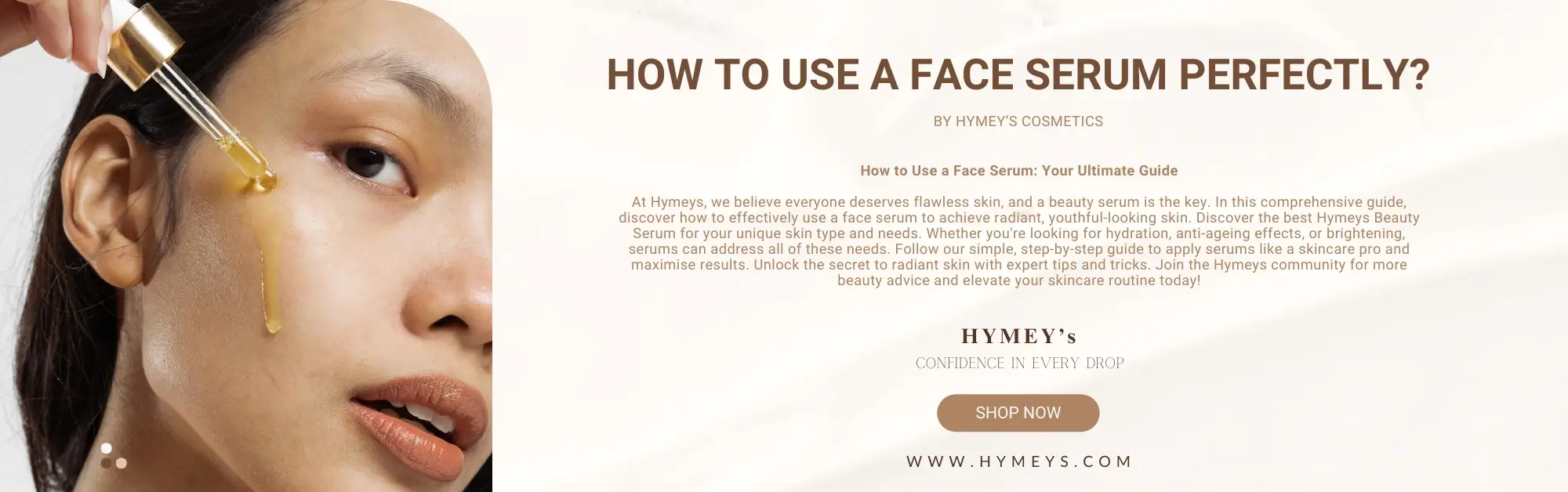
How To Use A Face Serum: A Complete Guide to Rejuvenate Your Skin
Serums are taking the beauty world by storm, and for good reason! Whether you’re looking to fight signs of aging, achieve brighter skin, or simply keep your face hydrated, a serum can be your secret weapon. But do you know how to use a face serum properly? If not, you’re in the right place.
In this guide, we’ll cover everything from the different types of serums to how to apply them effectively and avoid common mistakes. Ready to give your skin the care it deserves? Let’s dive in!
What is a Face Serum?
A face serum is a lightweight, fast-absorbing liquid packed with concentrated active ingredients that target specific skin concerns. Unlike moisturizers, serums are typically more potent and designed to deliver powerful treatments deep into the skin.
These concentrated formulas can help with everything from wrinkles to acne scars, pigmentation, and more. They usually come in small bottles with a dropper for easy application.
Why Should You Use a Beauty Serum?
Serums are designed to address specific skincare needs that regular moisturizers or toners can’t fully handle. Due to their higher concentration of active ingredients, serums can provide more targeted treatment. If you’re dealing with dry skin, fine lines, or dullness, adding a serum to your skincare routine could work wonders.
Types of Face Serums
There are different kinds of serums, each tailored to various skin concerns. Let’s take a look at some of the most popular options:
Hydrating Serums
Hydrating serums are great for those with dry or dehydrated skin. They often contain ingredients like hyaluronic acid, glycerin, or aloe vera that attract and lock moisture into the skin, leaving it plump and fresh.
Anti-Aging Serums
If you’re looking to fight wrinkles and sagging, anti-aging serums are the way to go. These typically contain ingredients such as retinol, peptides, or vitamin C, which help stimulate collagen production and reduce the appearance of fine lines.
Brightening Serums
For those struggling with uneven skin tone or dark spots, brightening serums are perfect. Vitamin C, niacinamide, and licorice extract are common ingredients in these serums, as they work to lighten hyperpigmentation and even out the complexion.
Specific Serums: Hymeys Beauty Serum and Halal Beauty Serums
In addition to the basic categories above, brands like Hymeys Beauty Serum and Halal Beauty Serums cater to specific audiences. Hymeys Beauty Serum is known for its natural ingredients that focus on skin rejuvenation. On the other hand, Halal Beauty Serums are formulated without alcohol or harmful animal derivatives, making them suitable for those who adhere to halal principles. These products are not only effective but also cater to specific ethical standards.
Benefits of Using a Face Serum
The benefits of incorporating a beauty serum into your routine are countless. Here are some of the most significant advantages:
Targeted Treatment for Skin Concerns: Whether you’re battling acne, pigmentation, or wrinkles, there’s a serum out there for you.
High Concentration of Active Ingredients: Unlike regular moisturizers, serums contain higher concentrations of active ingredients, giving them the ability to tackle your skin issues more effectively.
Easily Absorbed by Skin: Serums are lightweight and fast-absorbing, which means they can penetrate deeper layers of your skin and work their magic.
How to Use a Face Serum: Step-by-Step Guide
Using a face serum might sound simple, but there’s a technique to make the most of it. Follow these steps for optimal results:
Step 1: Cleanse Your Face
Start with a clean canvas. Use your favorite cleanser to remove dirt, oil, and makeup. This ensures that your skin can absorb the serum effectively.
Step 2: Apply Toner (If Needed)
If you use a toner in your routine, apply it before the serum. Toners help balance the skin’s pH and prepare it for better serum absorption.
Step 3: How Much Serum to Use
You don’t need much! A few drops of serum are enough for your entire face. Overapplying can lead to irritation or make your skin feel greasy.
Step 4: Proper Application Technique
Gently apply the serum to your face using your fingertips. Start from the center of your face and work your way out. Don’t forget your neck and décolletage!
Step 5: Follow Up with Moisturizer
After the serum has absorbed into your skin, apply a moisturizer to lock in the hydration and further enhance the benefits of the serum.
When to Apply a Face Serum
You can use your serum at any time of the day, but there are specific times when it works best:
Morning Routine
Apply your serum after your toner, and before your moisturizer and sunscreen. A brightening or hydrating serum is a great choice in the morning.
Nighttime Skincare Routine
At night, you can go all out with anti-aging serums, as your skin has a longer period to absorb the active ingredients.
Choosing the Right Serum for Your Skin Type
Not all serums are created equal, so it’s important to choose the right one for your skin type:
Oily Skin: Look for lightweight, non-comedogenic serums that won’t clog pores. Hydrating or oil-controlling serums with ingredients like niacinamide are great options.
Dry Skin: Opt for serums with hydrating ingredients like hyaluronic acid or glycerin to lock in moisture.
Sensitive Skin: Choose a serum with calming ingredients like aloe vera or chamomile, and make sure it’s free from harsh chemicals or fragrances.
Tips for Maximising the Effectiveness of Your Serum
To make the most of your serum, try these helpful tips:
Layering with Other Skincare Products: Always apply your serum before your moisturizer. Don’t forget sunscreen during the day to protect your skin from UV damage.
Using Serums with Sunscreen: Protect the skin’s barrier with sunscreen after applying serums, especially if they contain vitamin C or retinol.
Avoid Overusing Serums: A little goes a long way. Excessive use may lead to irritation.
Common Mistakes to Avoid
While serums are generally easy to use, there are some common mistakes that can hinder their effectiveness:
Overapplying Serum: Too much serum won’t make your skin absorb more. Stick to a few drops for optimal results.
Not Giving the Serum Enough Time to Absorb: Be patient and let the serum sink into your skin before applying other products. This ensures maximum absorption.
Conclusion
Using a face serum is an excellent way to boost your skincare routine. Whether you’re after hydration, anti-aging benefits, or brightening effects, there’s a serum for everyone. Remember to choose the right serum for your skin type, follow the application steps, and avoid common mistakes. With consistent use, you’ll see glowing, youthful skin in no time.
Please don’t forget to leave a review.
FAQs
Can I use multiple serums at once?
Yes, but layer them properly. Start with the thinnest consistency and work your way up.
How long will it take to see results from using a serum?
It can take anywhere from 2-4 weeks to see noticeable changes, depending on the serum’s active ingredients.
Should I use serum every day?
Yes, most serums are meant to be used daily for best results, though some may be more suitable for nighttime use.
Can a serum replace my moisturizer?
No, a serum is not a substitute for a moisturizer. It should be used in conjunction with one.
Can I use a serum on sensitive skin?
Yes, but ensure you choose a serum formulated for sensitive skin. Look for one that’s fragrance-free and gentle.
How to use a face serum?
Please follow all abothe ve instructions to get perfect results and to know about the best way of applying a face serum.
how to use a face serum?
how to use a face serum?
how to use a face serum?
how to use a face serum?
how to use a face serum?
how to use a face serum?
how to use a face serum?
how to use a face serum?
how to use a face serum?
how to use a face serum?
how to use a face serum?
how to use a face serum?
how to use a face serum?
how to use a face serum?
how to use a face serum?